
Moving to Tbilisi: The Expat Guide to Georgia’s Most Underrated Capital
There is a particular kind of traveller who lands in Tbilisi expecting a quick stopover and ends up signing a year-long lease. Ask around in any of the city’s wine bars or co-working spaces, and you’ll hear some version of the same story: came for a week, stayed for the light, the food, the rent, and a version of life that felt unexpectedly easy to slip into.
Georgia has spent the last few years quietly becoming one of the most talked-about relocation destinations for remote workers, entrepreneurs, and, increasingly, Indian families looking for something different from the usual Dubai-Singapore-London circuit. It is not on most people’s radar yet. That is precisely the appeal.
Why Tbilisi, of All Places
Start with the basics, because they do most of the convincing on their own. Indian citizens can enter Georgia visa-free for up to a year. There is no other major relocation destination on the planet that offers that kind of runway with zero paperwork before you even land.
Then there is the cost of living, which, by Indian metropolitan standards, let alone European ones, feels almost suspicious. A comfortable one-bedroom apartment in a central, walkable neighbourhood rents for a fraction of what the same space would cost in Mumbai or Bangalore. Eating out is inexpensive, public transport is cheap and reliable, and the overall pace of spending feels gentler.
Add to this a flat 1% tax regime for small business owners and freelancers registered as ‘Individual Entrepreneurs,’ and it becomes clear why so many remote workers have made Tbilisi a base rather than a stop. Georgia actively wants entrepreneurs and remote professionals to settle here, and its policies reflect that.
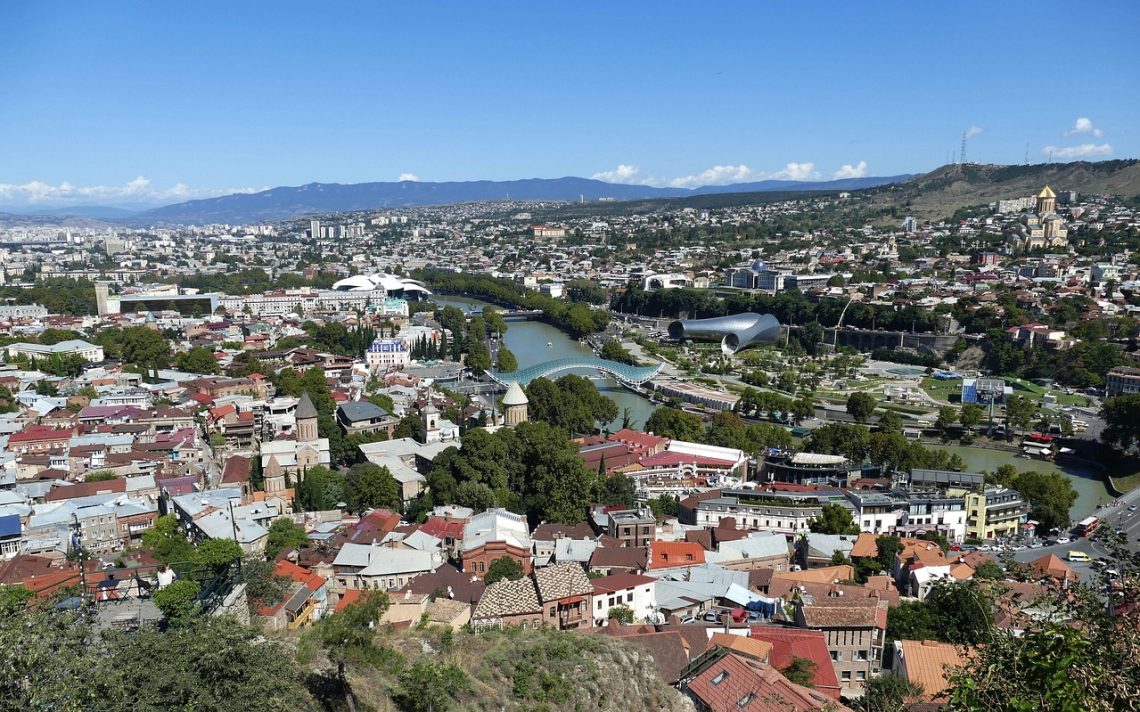
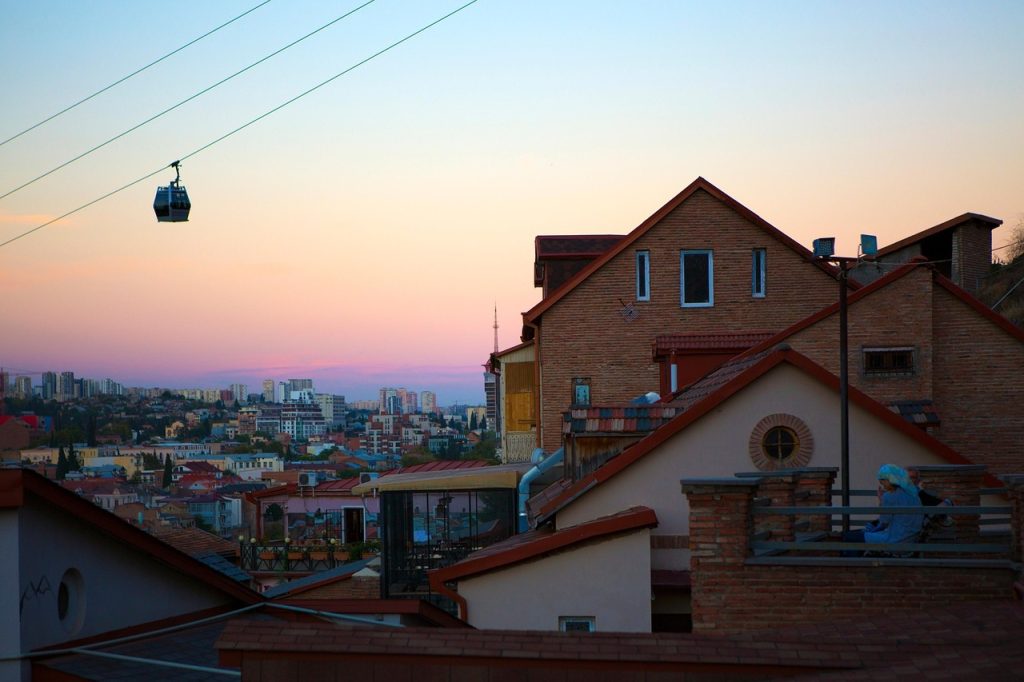
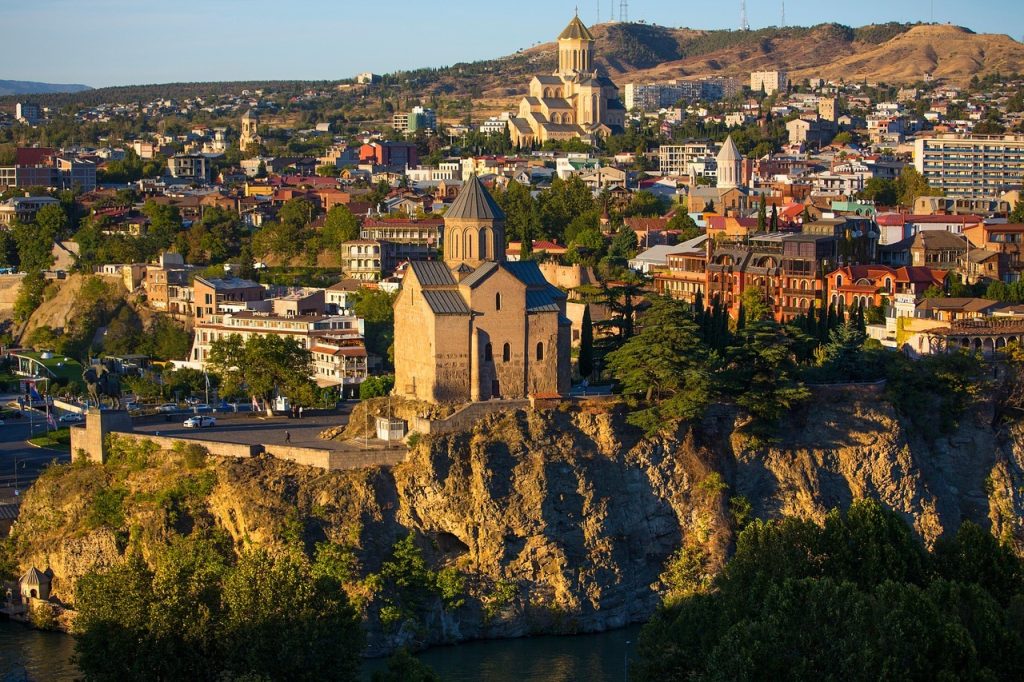
There is also something less quantifiable at play: Tbilisi has a layered, slightly chaotic charm. Soviet-era apartment blocks sit beside Art Nouveau balconies, cobblestone streets in the Old Town wind past sulfur bathhouses centuries old, and the Mtkvari River cuts the whole city into two distinct, walkable halves. It photographs beautifully, but more importantly, it lives well.
Finding Your Neighbourhood
Where you land in Tbilisi changes the entire texture of your experience, so it’s worth understanding the city’s geography before committing to a lease.
Vake is the closest thing Tbilisi has to an upscale, established expat neighbourhood. Tree-lined streets, international schools nearby, modern apartment buildings, and a calmer pace than the city centre. It is popular with families and costs more than most other areas, though “more” here is relative; you are still paying significantly less than comparable neighbourhoods in most global cities.
Saburtalo is the practical choice. It’s residential, well-connected by metro, has a strong local food scene, and tends to attract a mix of long-term expats and Georgian professionals. If you want a neighbourhood that feels lived-in rather than curated for newcomers, this is it.
Vera and Sololaki sit right at the edge of the Old Town and have become magnets for the digital nomad and creative crowd. Beautiful old buildings (some gorgeously restored, some charmingly falling apart), walking distance to cafes, co-working spaces, and the river, and a genuine sense of being in the middle of things. Expect smaller apartments and a livelier, younger atmosphere.
For those who want space, a garden, or are bringing a larger family, areas slightly outside the centre, like Mtatsminda’s quieter slopes or even short drives out toward Tskneti, offer larger homes at lower costs, with the trade-off of needing a car or relying more on taxis.
A practical note that catches almost everyone off guard: renovation standards vary enormously between buildings. The exterior of a building tells you almost nothing about the interior of the apartment. Always view in person, or have someone you trust do it for you, before signing anything.

The Paperwork, Simplified
This is genuinely one of Tbilisi’s strongest selling points. The visa-free year for Indian nationals means you can move, settle, and even test out the lifestyle before committing to anything more permanent.
If you decide to stay longer, Georgia offers several residency permit pathways, including one based on property ownership and another for those who can demonstrate sufficient income or business activity. Compared to the dense bureaucracy of many Western relocation destinations, the process is refreshingly straightforward, though it’s still worth working with a local facilitator or legal consultant to navigate the Georgian-language paperwork involved.
Opening a bank account is possible relatively early into your stay, and unlike many countries, Georgia does not require proof of long-term residency status to do so. This single fact removes one of the biggest early-stage headaches that expats typically face elsewhere.
Healthcare is another pleasant surprise. Private health insurance is affordable, and Tbilisi has a number of well-regarded private clinics and hospitals, many with English-speaking staff, particularly in central neighbourhoods.
Settling In: Daily Life and the Things Nobody Mentions
Georgian hospitality is not a marketing line, it’s a cultural cornerstone, and it shapes daily life in ways that take some getting used to. Supras, the elaborate, hours-long Georgian feasts built around toasts and shared dishes, are as much a social institution as a meal. Saying yes to an invitation, even from someone you barely know, tends to be the fastest way into the local community.
The food itself deserves its own conversation. Khachapuri (cheese-filled bread, several regional varieties exist and locals have strong opinions about each), khinkali (soup dumplings eaten by hand, never with cutlery), and Georgian wine, made using an 8,000-year-old qvevri fermentation method that predates almost every other wine-producing tradition on earth, are not just food, they’re a point of national pride. Vegetarians, take heart: Georgian cuisine leans heavily on walnuts, beans, and vegetables, making it more accommodating than people expect.
Language is the one genuine hurdle. Georgian uses its own unique script, unrelated to any other writing system in the world, and while younger Georgians and those in central, expat-heavy neighbourhoods often speak good English, older generations and more local establishments may not. Picking up basic Georgian phrases goes a long way, both practically and in terms of how warmly you’re received.
Winters are cold and grey, summers are hot, and the shoulder seasons, spring and autumn, are when Tbilisi is at its most beautiful. If your schedule allows any flexibility around your move date, timing your arrival for April-May or September-October will give you the gentlest possible introduction to the city.
One more thing worth knowing: Tbilisi has an active, fast-growing community of Indian professionals, freelancers, and small business owners, loosely connected through WhatsApp groups, co-working spaces, and a handful of Indian restaurants that have become unofficial meeting points. You will not be starting from zero socially, even if you arrive knowing no one.
Getting Your Life There, Without Losing Your Mind
Here’s the part that rarely makes it into the glossy ‘why you should move to Georgia’ articles: actually getting your belongings there.
Georgia’s customs regulations are generally less restrictive than many Western countries, but specific documentation is still required for shipped household goods, and the process benefits enormously from being handled by someone who has done it before. Items like electronics, certain food products, and anything of significant declared value need accurate paperwork to avoid delays at customs.
Because Tbilisi is not yet a high-volume relocation corridor in the way Dubai or London are, finding reliable, experienced movers who understand both the Indian export side and the Georgian import side of the process matters more here, not less. This is not a city where you want to discover gaps in your shipping plan after your belongings are already in transit.
This is exactly the kind of move 21st Century Relocations specialises in: the routes that aren’t routine. From pre-move planning and customs clearance to door-to-door delivery and settling-in support, we handle the logistics so your move to Tbilisi feels like the start of an adventure, not a bureaucratic obstacle course.
If Georgia’s capital has caught your attention, we’d love to help you make the move official.


You May Also Like

Why The Relocation Industry Needs Digitisation Post COVID-19

7 Things To Know Before Moving To Canggu